Table of Contents
- Best Time to Visit Ningaloo Reef at a Glance
- Ningaloo Reef Weather by Month: What to Expect
- Ningaloo Reef Whale Shark Season: Timing Your Encounter
- Best Time to Snorkel Ningaloo Reef: Water Conditions and Visibility
- How Many Days in Ningaloo Reef: Planning Your Stay
- Seasonal Trade-offs: Crowds, Costs, and Availability
- Planning Your Trip: Booking Lead Times and Tour Availability
- Frequently Asked Questions
Last Updated: October 16, 2026
Best Time to Visit Ningaloo Reef at a Glance
The best time to visit Ningaloo Reef depends on what you want to experience. Most travellers choose April to October for calmer seas, clearer water, and the chance to swim with whale sharks.
The difference between a great trip and a disappointing one comes down to understanding what each season delivers. Here’s what matters: water temperature, visibility, wildlife encounters, and crowd levels.
Ningaloo Reef Weather by Month: What to Expect
The reef sits on the edge of two distinct seasons. Understanding the shift helps you pack right.
Dry Season (April to October)
The dry season is when most people visit. Rainfall is minimal, skies stay clear, and offshore breezes keep the air fresh, with warm to hot days and comfortable mornings and evenings.
The real advantage is the sea: offshore breezes flatten the water, visibility improves, and reef access becomes easier. For snorkelling or calm diving, April through October is your window.
Wet Season (November to March)
The wet season brings heat, humidity, and unpredictable weather. Afternoon storms are common but often pass quickly. Runoff and sediment drop visibility, seas get rougher, and tour operators reduce schedules. Visit November to March for fewer visitors, lower accommodation costs, and a rawer, more remote experience, trading worse weather and sea conditions for fewer crowds.
Ningaloo Reef Whale Shark Season: Timing Your Encounter
The peak window is April through June.
One thing most guides don’t mention: whale shark sightings are never guaranteed. Even in peak season, some days produce nothing, and weather can shut down tours for days.
Tours fill up fast in peak season. Arriving in April or May without a booking may leave you with nothing available.
Best Time to Snorkel Ningaloo Reef: Water Conditions and Visibility
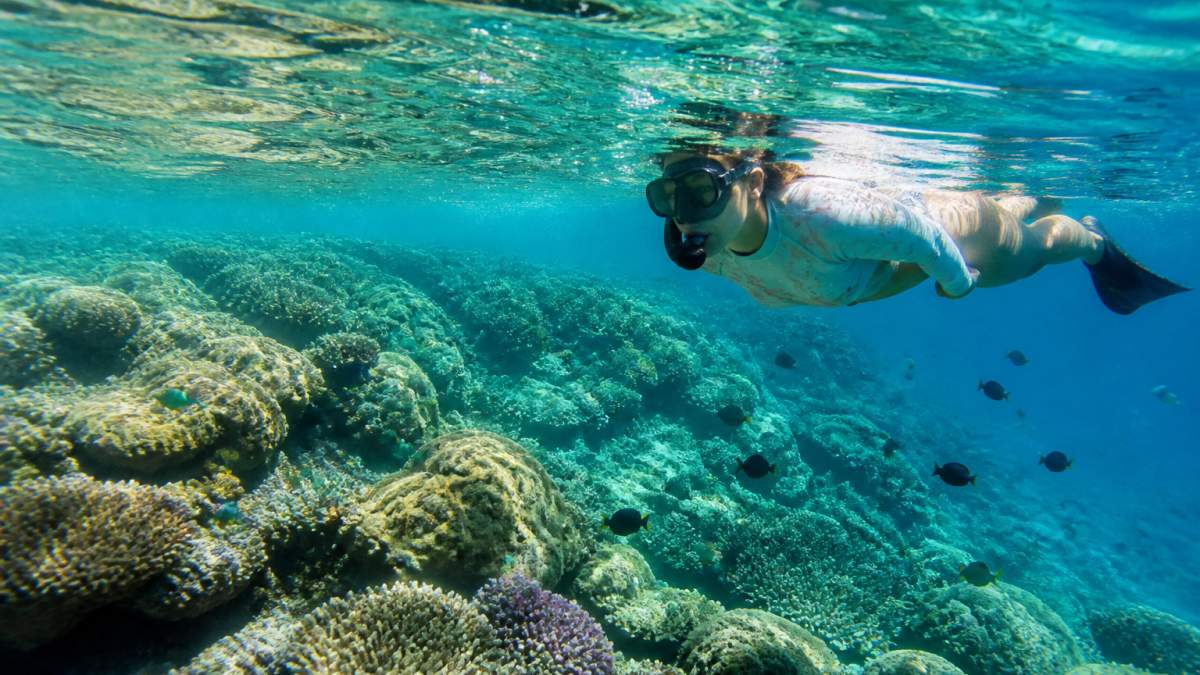
Snorkelling conditions peak from April through October, when offshore breezes flatten the sea and visibility climbs. But the best month depends on where you plan to get in the water.
Water Temperature and What You’ll Wear
Water temperature ranges from roughly 23°C in August to 28°C in November. Most people find anything above 22°C comfortable for extended snorkelling:
- Below 24°C: a 3mm shortie or full wetsuit keeps you in the water longer.
- 24-26°C: a rash vest or springsuit is usually enough for most adults.
- Above 26°C: swimmers and rashies are fine for most people.
Children lose heat faster than adults, so a thin wetsuit is worth packing even in the warmer months.
Visibility by Season
Visibility is where the season makes the biggest difference. The dry season often delivers 15 to 25 metres on a good day; the wet season drops to 5 to 10 metres as runoff and sediment cloud the water. For reef structure and larger fish, the dry season is the safer bet.
Snorkelling Conditions by Site and Season
Ningaloo Marine Park fringing reef (shore access, near Exmouth and Cape Range)
- Best: April to September. Calm mornings, clear water, easy beach entry.
- Shoulder: October and March can be good but wind picks up more often.
- Avoid: December to February. Heat, wind and reduced visibility make shore snorkelling less rewarding.
Osprey Bay and Turquoise Bay (Cape Range National Park)
- Best: May to September. These are the classic drift-snorkel and sheltered-bay sites, and they perform best when the offshore breeze is steady.
- Note: Turquoise Bay’s drift can be strong; check conditions with park staff or a local operator before entering.
Lakeside and Mandu Mandu area
- Best: June to September. Sheltered from the prevailing wind, so they hold up on days when more exposed sites are choppy.
Yardie Creek and the Exmouth Gulf side
- Best: April to October. Calmer, shallower and often warmer than the outer reef, which makes it a good option for families and beginner snorkellers.
Outer reef and deeper sites (boat access)
- Best: April to July. This is when visibility and sea state align, and it overlaps with whale shark season so you can combine both on one trip.
Shore vs Boat Snorkelling
One common mistake is assuming you need a boat tour. Shore snorkelling works well during calm periods and costs nothing beyond park entry. Boat tours access deeper reef sections and increase your chances of seeing larger marine life, including manta rays and, in season, whale sharks. If visibility and marine life are your priorities, book a boat tour during the dry season.
Snorkel in the morning. Wind typically builds through the afternoon, so the calmest water and best visibility are usually before 11am, especially from April to September.
Seasonal Snorkelling Trade-offs
The best wildlife window is not always the best snorkelling window. April to July offers whale sharks and strong visibility, but it’s the busiest and most expensive period. July to September is quieter, cheaper and still delivers excellent clarity, though whale shark sightings become less reliable. If clear water and good reef are your priority, July to September is smarter.
Sea conditions change quickly. Wind, swell and visibility can shift within a day, and some sites become unsafe for shore entry. Always check the latest forecast and local advice before getting in, and never snorkel alone.
How Many Days in Ningaloo Reef: Planning Your Stay
How long you stay depends on what you want to do. Three days is the minimum to see something meaningful; ten days lets you experience the reef properly with buffer time for bad weather.
Three to Four Days
This is a quick visit: one or two good days for snorkelling or whale shark tours, plus time to explore Exmouth. It works if you’re passing through on a longer road trip. But three days offers little insurance against bad weather: a storm costs you a full day, and if you’re chasing whale sharks, you might not get a tour at all.
Five to Seven Days
This is the sweet spot for most families: two to three quality days on the water, time to explore, and a buffer day if weather turns. It also works well in peak season when you want booking flexibility, if your preferred tour is full one day, you can try again the next.
Seven to Ten Days
A full week or more lets you experience the reef in depth: multiple snorkelling trips, a whale shark tour, walking Ningaloo Marine Park, and nearby attractions like Cape Range National Park, with buffer days if weather disrupts plans. This is ideal in the dry season if you want to maximise time on the water.
Seasonal Trade-offs: Crowds, Costs, and Availability
Each season brings different trade-offs, and the right choice depends on which compromise you can live with.
Peak Season: April to June
This is the busiest and most expensive window. Accommodation fills early, operators run multiple trips daily, and prices reflect demand. Conditions are excellent and whale shark sightings frequent.
- Crowds: High, especially around school holidays.
- Costs: Highest of the year for accommodation and tours.
- Availability: Tight. Popular whale shark tours can sell out weeks ahead.
If you want the full experience and don’t mind sharing it, this is your window. Just build in buffer days.
Shoulder Season: July to September
Crowds drop as school terms resume, and prices come down slightly. Conditions remain good: calm water, clear visibility, and whale sharks still present, though less frequently by September.
- Crowds: Moderate.
- Costs: Moderate.
- Availability: More flexible; you can often book a few days out.
- Risk: Cooler mornings, and whale shark encounters become less reliable later in the window.
This is often the best balance for travellers who can work around school calendars.
Transition Month: October
Crowds are moderate, prices reasonable, and conditions still solid. Whale shark season is ending, so sightings become less reliable. If whale sharks aren’t your priority, October offers a nice balance of weather, cost and space.
Off-Season: November to March
Costs drop sharply and crowds disappear. The trade-off: heat, humidity, unpredictable afternoon storms, reduced visibility, and many operators running reduced schedules or closing.
- Crowds: Very low.
- Costs: Lowest of the year.
- Availability: Wide open, but fewer tours operating.
- Risk: Highest. Storms, rough seas and poor visibility can derail plans with little notice.
This works only if you’re flexible and don’t mind a quieter, more uncertain experience.
Seasonal Risks and Contingency Planning
No season is risk-free. The most common disruptions are:
- Wind and swell: Can cancel boat tours and make shore entry unsafe.
- Heat: December to February can be extreme; plan water time for early morning.
- Storms: Afternoon thunderstorms in the wet season can roll in quickly.
- Wildlife variability: Even in peak season, some tours return without a whale shark sighting.
A practical contingency plan:
- Allow at least five to seven days in the region if a specific wildlife encounter is your goal.
- Book your must-do tour early in your stay, so you have room to rebook if it’s cancelled.
- Keep a flexible day spare for a second attempt.
- Have a wet-weather alternative, such as Cape Range National Park walks, Yardie Creek, or the Exmouth visitor centre.
The best month for wildlife is not always the best month for your trip. Match the season to your priorities, then build in buffer days so a single bad-weather day doesn’t define your holiday.
Booking Lead Times and Availability
Tour availability changes throughout the year, and this matters more than most guides mention.
- April to June: Book tours at least two to three weeks in advance. Popular operators fill quickly, especially on weekends.
- July to September: More flexible. A few days’ notice is often enough.
- October and November: One to two weeks’ advance booking is sensible.
- December to March: Wide open. You can usually book a day or two before.
Accommodation follows a similar pattern. Peak season needs advance booking; shoulder seasons are moderately tight; off-season has plenty of availability.
At Bonito Camper, we help families plan trips that match their dates and priorities. We also provide well-equipped vehicles that let you explore the region beyond the reef, Cape Range National Park, remote beaches, and inland trails are all within reach if you have reliable transport.
Planning Your Trip: Booking Lead Times and Tour Availability
The best time to visit Ningaloo Reef ultimately depends on your priorities. If whale sharks are essential, book April through July. If you want calm seas and clear snorkelling without the crowds, choose July through September. Bonito Camper can help you plan a trip that matches your timeline and equip you with a reliable vehicle to explore the broader region.
Frequently Asked Questions
How many days do you need in Ningaloo Reef?
Most visitors spend three to four days to experience the reef’s main attractions, including snorkelling and reef walks. Five to seven days allows time for whale shark swimming (in season), diving, and exploring nearby towns like Exmouth. For a comprehensive experience covering multiple reef sites, marine wildlife encounters, and relaxation, seven to ten days is ideal. Your ideal length depends on your activities and whether you’re visiting during whale shark season (April to July).
When is the best time to snorkel at Ningaloo Reef?
April to October offers the best snorkelling conditions overall, with calm seas, clear visibility (15-20 metres), and comfortable water temperatures around 22-24 degrees Celsius. April to July combines excellent snorkelling with whale shark season. August to October provides reliable conditions with fewer crowds and lower costs. Avoid November to March when rainfall reduces visibility and sea conditions become rougher, particularly in the wet season.
What is the best month to see whale sharks at Ningaloo Reef?
June and July are peak months for whale shark encounters, offering the highest sighting rates. April and May mark the start of migration, with good encounters and fewer crowds. August still provides reliable sightings but with declining numbers. The whale shark season runs April to July, aligning with their annual migration. Outside these months, encounters are rare or impossible. Book tours well in advance for June and July, as availability fills quickly.
Is the dry season or wet season better for visiting Ningaloo Reef?
The dry season (April to October) is superior for most visitors. It offers calm seas, excellent visibility, warm days (22-28 degrees Celsius), and cooler mornings and evenings. The wet season (November to March) brings higher rainfall, reduced water visibility, rougher seas, and occasional cyclone risk. However, wet season visits are cheaper and less crowded. Choose dry season for reliable activities and wildlife encounters; choose wet season only if budget and solitude are priorities and you’re flexible with weather.