
Table of Contents
- Why a Campervan Rental in Perth Beats Hotels for WA Road Trips
- Campervan Rental Perth Prices: What Actually Drives the Cost
- Perth 4WD Camper Hire for Gravel Roads and Remote Tracks
- Perth 2WD Campervan Hire for Coastal and Wine Region Trips
- Campervan Rental Insurance and Excess: What Your Cover Actually Includes
- Matching Your Vehicle to a Specific Itinerary
- Booking, Pickup, and One-Way Logistics
- Frequently Asked Questions
Last Updated: October 11, 2026
Why a Campervan Rental in Perth Beats Hotels for WA Road Trips
A campervan rental in Perth is the difference between visiting Western Australia and actually travelling it. When accommodation, kitchen and transport are one vehicle, the trip becomes a route you choose day by day.
Western Australia is built for this. Distances between towns are long, the best campsites sit far from the nearest motel, and the coastline from Lancelin to Exmouth rewards anyone who can stop where the view is good.
That freedom has a cost structure beyond the daily rate. Fuel, park entry, campsite fees and insurance excess all sit around the headline number, and understanding them before you book separates a well-planned trip from an expensive surprise.
The real comparison is not nightly rate versus nightly rate. It is total trip cost versus total trip cost, and a campervan usually wins on longer routes because it eliminates accommodation, most meals out, and inter-town transfers at once.
Campervan Rental Perth Prices: What Actually Drives the Cost
Campervan rental Perth prices depend on four things: vehicle type, season, trip length and how far you plan to drive. There is no single market rate. For current rates on our fleet, check our website or request a quote with your dates and route.
Daily Rates, Mileage, and What Sits Outside the Quote
The daily rate is the number everyone compares, and the least useful one on its own. What matters is what it includes.
- Mileage: Some rentals cap kilometres and charge per extra kilometre. On a Perth-to-Exmouth return trip, that adds up fast. Ask specifically whether mileage is unlimited.
- Insurance excess: A low daily rate often pairs with a high excess. The excess is what you pay if something goes wrong.
- Equipment: Camping gear, bedding, kitchen kits and chairs are sometimes bundled and sometimes extra.
- One-way fees: Returning the vehicle to a different city usually carries a relocation charge.
A common mistake is choosing the cheapest daily rate and discovering the inclusions gap on pickup day. Add up the full package before comparing.
The Total Trip Cost, Not the Daily Rate
Daily rates are the headline, but rarely the biggest line in the final bill. Confirm current prices with your provider, because rates move with season and fleet availability.
| Cost Line | What It Covers | Typical Pattern on a Two-Week Trip |
|---|---|---|
| Vehicle hire | Daily rate × days | The largest single line, but not the whole cost |
| Insurance excess reduction | Optional daily add-on | Adds up over a long hire; weigh against your own travel insurance |
| Fuel | Distance ÷ consumption × pump price | On a long northern loop, fuel can rival several days’ hire |
| Campsite and caravan park fees | Powered or unpowered site per night | Powered sites cost more; free camps are limited and often unpowered |
| National park entry | Per vehicle, per park, or via an annual pass | A park pass can pay for itself on a multi-park itinerary |
| Food and supplies | Supermarket plus occasional meals out | Self-catering is where a campervan saves the most |
| One-way or relocation fee | Drop-off in a different city | Varies by destination and season; ask for it in writing |
| Cleaning and refuelling | Return condition charges | Avoidable if you return the vehicle clean and full |
Fuel, campsites and park entry make up much of the rest, the lines a hotel-based trip would replace with accommodation and restaurant meals. Build the budget both ways before deciding.
Compare total trip cost, not nightly rate. A campervan usually wins on longer routes because it folds accommodation, most meals and inter-town transfers into one vehicle, but only if you account for fuel, campsites and park passes up front.
Seasonality and How Far Ahead to Book
Availability tightens sharply during school holidays, the winter escape season when southern travellers head north, and the wildflower months. Book well ahead for those windows, especially for a specific berth size or a 4WD.
Outside peak periods, flexibility works in your favour: shoulder weeks often mean better availability and a wider choice of vehicle. If your dates are fixed to school terms, book as early as you can commit.
| Cost Factor | What to Check | Why It Matters |
|---|---|---|
| Daily rate | What is bundled | Lowest rate often excludes gear |
| Mileage | Unlimited or capped | Capped km penalise long routes |
| Insurance excess | Amount and exclusions | Determines your real risk |
| One-way fee | Destination and timing | Can rival several days’ hire |
| Park pass | Included or not | Affects every national park stop |
| Booking lead time | Peak vs shoulder | Determines choice, not just price |
Perth 4WD Camper Hire for Gravel Roads and Remote Tracks
Perth 4WD camper hire is for travellers heading beyond the sealed network: the Gibb River Road, Karijini’s access tracks, Cape Range and the gravel corridors linking coast to inland.
The distinction that matters is not “4WD” as a badge, but clearance, tyre type, fuel range and whether the vehicle is rated for corrugated gravel. Long-range fuel tanks matter on remote stretches, as does a proper spare and the tools to change it.
If you want genuine off-road tracks rather than the tourist route, say so when you book. The wrong hire for a gravel itinerary is a safety issue, not just a comfort one.
Driving a 2WD vehicle on a road signed for 4WD only voids most insurance and can leave you liable for recovery costs. Check the signage and your cover before you commit to a track.
Perth 2WD Campervan Hire for Coastal and Wine Region Trips
Perth 2WD campervan hire covers the routes most first-time visitors drive: down to Margaret River, across to Wave Rock, and north along the sealed highway toward Geraldton.
The southern loop is the classic. Perth to Margaret River, across to Albany, back through the forests, all on bitumen. A 2WD handles it comfortably, and you spend your budget on wineries and campsites rather than drivetrain you never use.
2WD runs out of road the moment your itinerary includes Karijini, the Ningaloo access tracks or any unsealed shortcut.
Campervan Rental Insurance and Excess: What Your Cover Actually Includes
Campervan rental insurance and excess is the most misunderstood part of the booking. The daily rate is visible; the excess, exclusions and conditions are buried, and they are where the money actually is.
Standard cover typically includes a damage liability, the maximum you pay if the vehicle is damaged. That figure is your excess. You can often reduce it, but read what the reduction actually covers before paying.
Exclusions That Catch Travellers Out
Most claims disputes come from a short list of predictable causes:
- Unsealed road use where the vehicle is not rated or permitted for it
- Water crossings, even shallow ones
- Single-vehicle incidents with no third party involved
- Overhead damage from low branches, awnings or roof fittings
- Driver not listed on the rental agreement
The pattern is simple: damage off the sealed network, or from a moment of inattention, is most likely to fall outside standard cover. Ask directly which roads the vehicle is permitted on before you pay.
Photograph the vehicle thoroughly at pickup, including the roof and underbody, and again at return. Timestamped photos resolve most excess disputes before they start.
Matching Your Vehicle to a Specific Itinerary
Choosing a vehicle is an itinerary decision, not a preference. The route you want determines the vehicle you need, and getting the order right saves both money and stress.
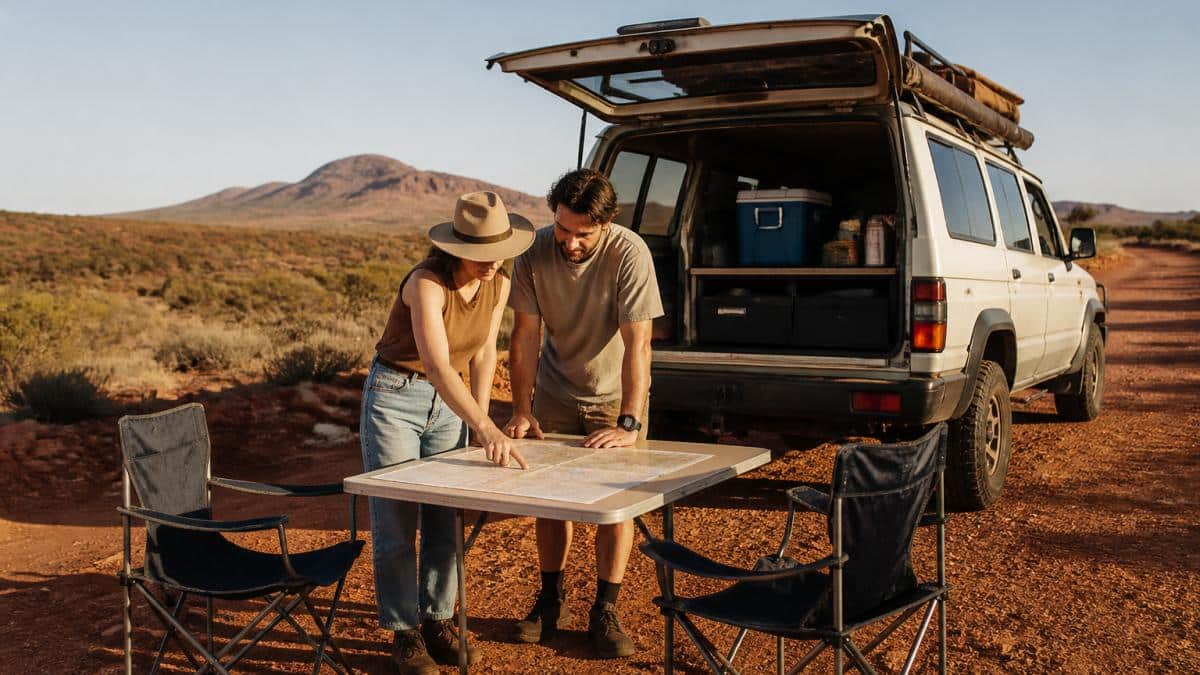
Work backwards from the trip. A Margaret River long weekend needs a 2WD with a comfortable bed. A three-week run to Karijini and Ningaloo needs a 4WD with range and clearance.
Berth capacity is where families get caught. A 4-berth vehicle sleeping two adults and two young children is comfortable; the same vehicle with teenagers is tight. Be realistic about nights spent in it and gear carried.
- Coastal and wine regions: 2WD, 2-berth, sealed roads
- Coral Coast and inland gorges: 4WD, long-range fuel, gravel-rated
- Family long trips: larger berth count, more storage, plan rest days
- One-way coastal runs: check drop-off options before choosing the vehicle
Booking, Pickup, and One-Way Logistics
Booking online or requesting a quote both work, but a quote lets you match the vehicle to your route rather than picking from a list. If your itinerary is unusual, talk to someone first.
Pickup Day: What Actually Happens
Pickup is a handover, not a key swap. Allow proper time for it, especially if you are collecting straight off a flight.
- Confirm the location and window. Pickup points vary, and collection hours are usually limited. If you are arriving on a flight, build in buffer time before collection in case of delays.
- Bring the right documents. You will typically need a current driver’s licence, a credit or debit card in the lead driver’s name for the security bond, and your booking confirmation. Check what the provider requires before you travel.
- Inspect the vehicle together. Walk around it with staff, note existing damage on the condition report, and photograph the vehicle thoroughly, including the roof, underbody, tyres and interior. Timestamped photos resolve most excess disputes before they start.
- Get the handover briefing. Ask how the fridge, gas, water, power and awning work, and where the spare and tools are stored. A five-minute walkthrough saves a first-night scramble.
- Confirm the rules. Ask which roads the vehicle is permitted on, whether mileage is unlimited, and what the fuel and cleaning expectations are on return.
Return Day: Avoid the Common Charges
Return-day timing matters as much as pickup. A late return can trigger extra charges, and you need time to refuel and clean the vehicle before the counter closes.
- Refuel before return. Most agreements require the vehicle returned with a full tank. Keep your final fuel receipt.
- Clean as you go. A quick sweep, empty bins and wiped surfaces avoid cleaning charges. Deep cleaning after off-road use is usually the hirer’s responsibility.
- Return on time. Check the return window and plan your last night’s campsite so you are not rushing.
- Do a second inspection. Photograph the vehicle again at return, in the same places you photographed at pickup.
One-Way Rentals and Drop-Off
One-way rentals are genuinely useful for coastal routes, but the fee structure varies by destination and season. Ask for the one-way cost up front, in writing, before you book. It should never be a surprise at the counter.
Drop-off locations are not always the same as pickup points, and some open only on certain days. Confirm location and hours before planning your final day. If your route ends in a different city, factor the relocation fee and restricted drop-off days into your itinerary, not just your budget.
Book the route first, then the vehicle, then the campsites. Doing it in that order surfaces one-way fees, mileage limits and road restrictions while you can still change your mind.
Frequently Asked Questions
How much does a campervan rental in Perth cost per day?
Daily rates vary by vehicle type, age, season, and how far ahead you book, so no single figure covers every trip. Rather than quoting a flat rate, most providers price per day plus mileage and extras. Ask Bonito Camper for a current quote based on your dates and itinerary so you can compare like for like.
What is the difference between 2WD and 4WD camper hire in Perth?
A 2WD campervan handles sealed highways and well-graded unsealed roads, which covers Margaret River, the south coast, and most coastal towns. A 4WD camper is built for gravel tracks, sandy access roads, and remote national parks such as Karijini. The trade-off is cost and fuel use: 4WD vehicles cost more per day but open up routes a 2WD cannot legally or safely reach. Match the vehicle to your route, not the other way around.
Do I need extra insurance for a campervan rental in Perth?
Every rental includes basic cover, but the excess you pay after damage can be thousands of dollars. Reducing that excess costs extra per day and is worth it if you plan gravel roads, tight campgrounds, or long remote stretches. Check what is excluded: single-vehicle damage, underbody damage, tyres, and driving on unsealed roads are common exclusions. Read the policy before you pay for a reduction so you know what is actually covered.
How far in advance should I book a campervan in Perth?
For school holidays, the Christmas period, and the dry season months from May to September, book two to three months ahead, and longer for 4WD vehicles, which are limited in number. Outside peak periods, a few weeks is often enough. If your dates are fixed, book early and confirm availability before paying for flights. Flexible travellers can sometimes pick up last-minute cancellations, but the choice of vehicle type shrinks quickly.